
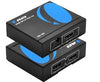
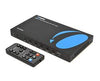

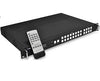













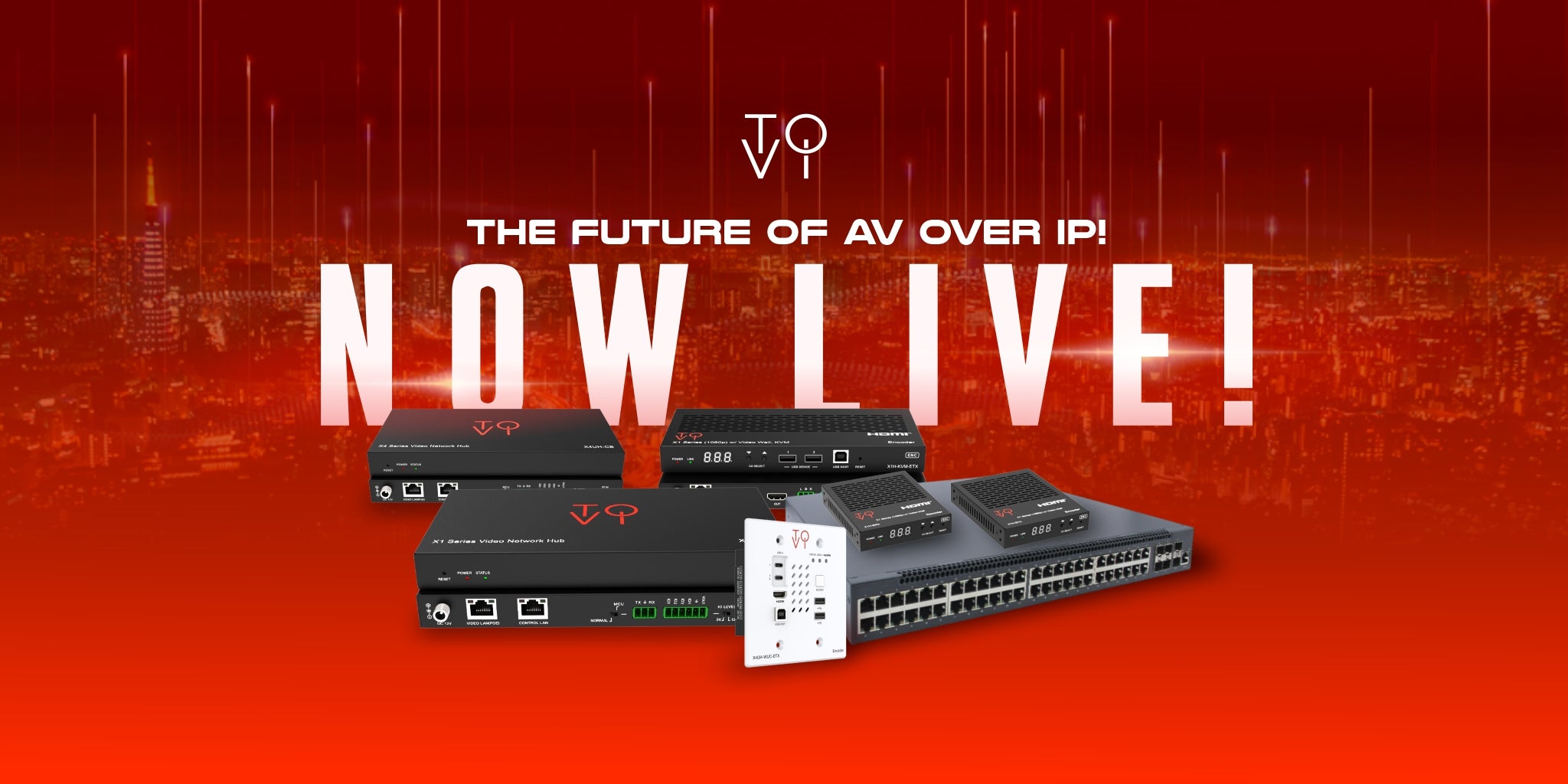


Introducing ToVi - Total Video. Over IP.
Professional and Reliable AV Over IP Solutions

Total AV Over IP Integration
Experience full AV distribution through standard 1G network infrastructure. ToVi supports the transmission of HDMI audio/video, RS-232, CEC, IR, USB, and more—using a single Ethernet cable. Powered by PoE switches, ToVi simplifies wiring, reduces clutter, and enables complete IP-based AV control and delivery.

Centralized Control for Seamless Management
ToVi devices are designed for efficient system-wide control using dedicated control boxes. Manage and operate all devices across your AV network from a single interface—ensuring smooth switching, routing, and configuration for complex setups with minimal effort.

Scalable & Flexible Architecture
Build systems that grow with your needs. With ToVi, you can connect multiple displays and media sources across the network to create Matrix configurations, Split signals, or even design immersive video walls. Select models also support KVM functionality, allowing remote keyboard and mouse control of connected PCs.


Expand Your Workspace. Extend Your Productivity.

Multiple Display Extension
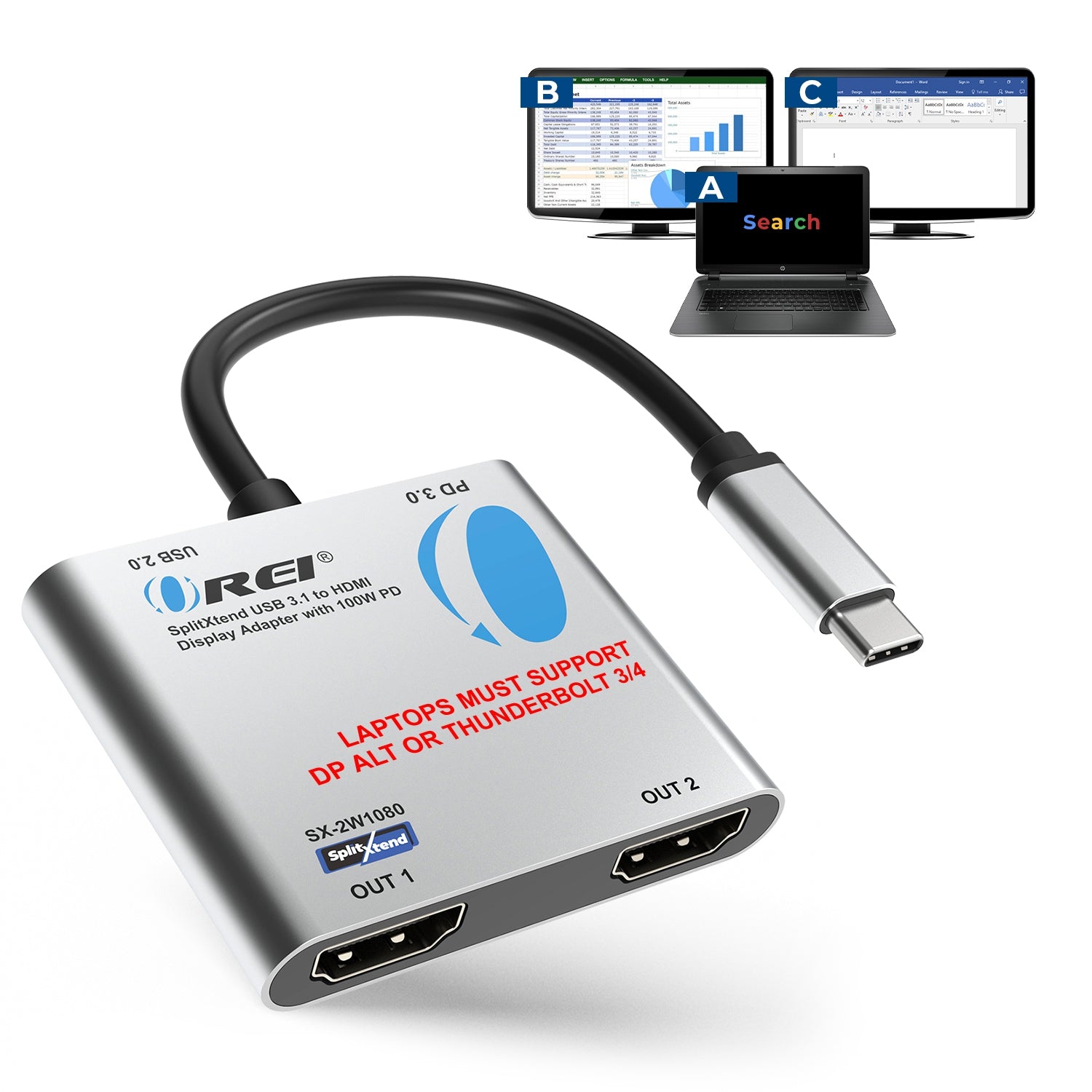
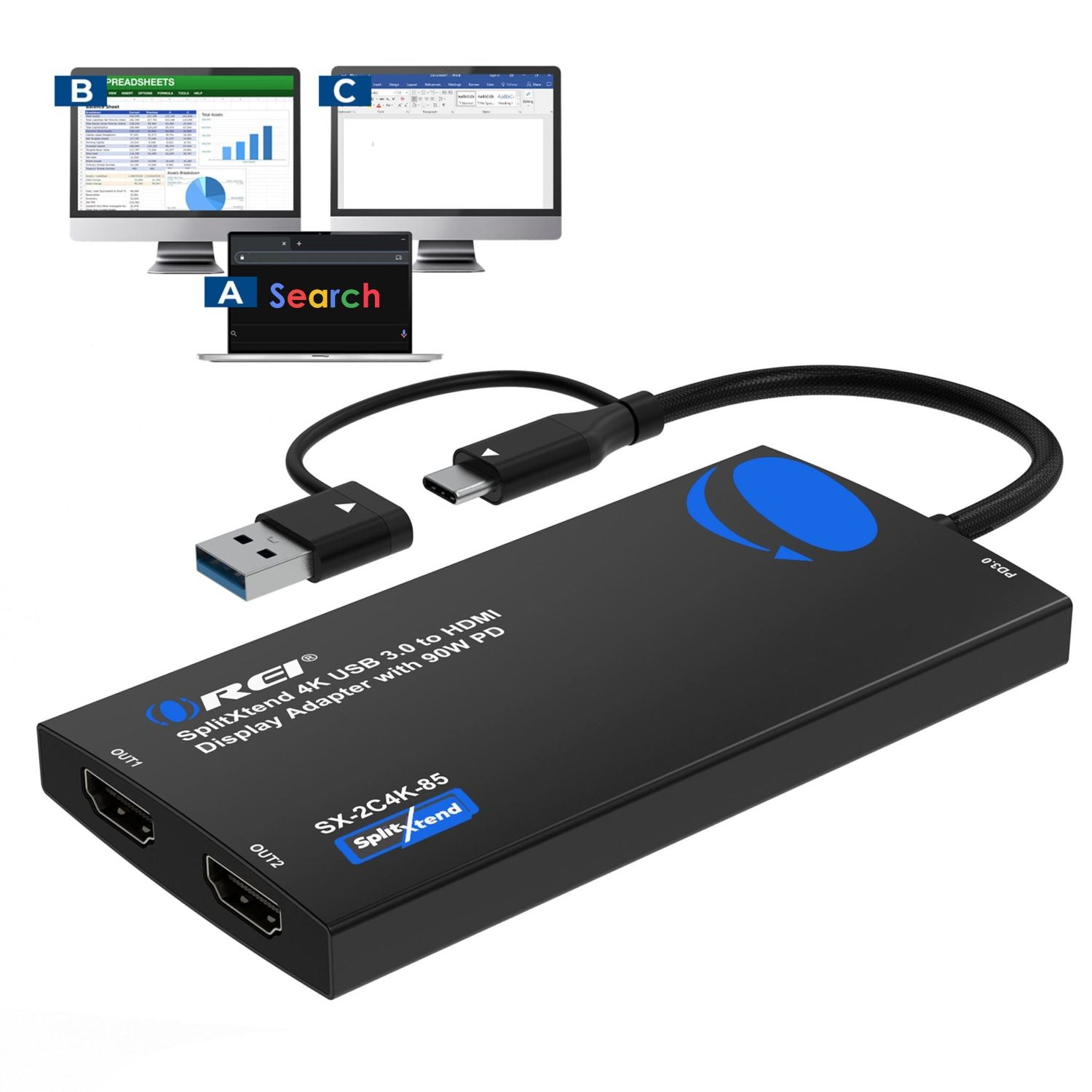
Expand your digital workspace by extending your screen across multiple monitors. Whether you're working, designing, editing, or multitasking, SplitXtend helps you boost productivity with a more immersive and efficient setup.

Compatible with Major Operating Systems
The SplitXtend series is designed to work seamlessly with both Windows and macOS computers, ensuring broad compatibility across most modern laptops and desktops—no matter your platform.

Easy to Set Up and Use
Whether plug-and-play or requiring minimal driver installation, SplitXtend devices are built for simplicity. Just connect and you're ready to go—no complex setup or configuration needed.
Our Clients



From the Blog

Introducing OREI’s New HDBaseT Extenders That Solve Long-Distance Problems
Have you ever tried to connect a computer in one room to a TV in another room, only to find your cable is way too short? You're not alone. Long cable runs are one of the most common headaches in home theaters, offices, classrooms, and conference rooms.
The good news is that there's a simple fix, and it's called HDBaseT. In this guide, we'll explain what HDBaseT is in plain words, the everyday problems it solves, and which OREI extender fits your setup.

How to Connect a Soundbar Without Losing Dolby Atmos

Why AV Over IP Is More Scalable Than HDMI Extenders

Why HDR Isn't Working on Your TV (Even Though It Says It Supports HDR)
Your TV Supports HDR. So Why Doesn't It Look Like HDR?
An HDR-compatible TV doesn't guarantee an HDR picture.
One missing setting or one incompatible device is enough for the entire setup to fall back to standard dynamic range (SDR). The result is familiar: the HDR logo never appears, or the picture looks no different from regular video. That's usually when people start asking, "Why does HDR look washed out?"

The Two Most Common Home Theater Audio Problems — Solved
Buying the soundbar was the easy part. But six months later, the setup isn't quite the same. Maybe movie nights moved to a projector. Maybe another TV found its way into the house. Suddenly, the audio is coming from the wrong place, and the quickest fix is pulling the cabinet away from the wall to swap an HDMI cable.
Nothing is actually broken. The system just wasn't designed for the way you use it now. OREI's HDMI eARC splitter and HDMI audio switch solve two of the most common home theater audio challenges without giving up the premium sound formats your equipment already supports.

How to Transmit HDMI Wirelessly for Presentations
The meeting is ready to begin. The presentation isn't.
Someone is still feeding an HDMI cable across the conference table, moving chairs out of the way, or realizing the cable isn't quite long enough to reach the display. It happens often enough that many organizations have started rethinking how presentation spaces are set up.
Wireless hdmi transmitter and receiver offer a simpler alternative. Instead of running long cables across the room, presenters can share content wirelessly while keeping the space cleaner and easier to use. OREI Wireless HDMI solutions are designed to bring that plug-and-play experience to meeting rooms, classrooms, training spaces, and other presentation environments.

The Simplest Way to Distribute Video Across Multiple TVs in a Business
Adding a second TV is usually easy. The challenge starts when the same content needs to appear throughout a restaurant, retail store, office, church, or waiting room.
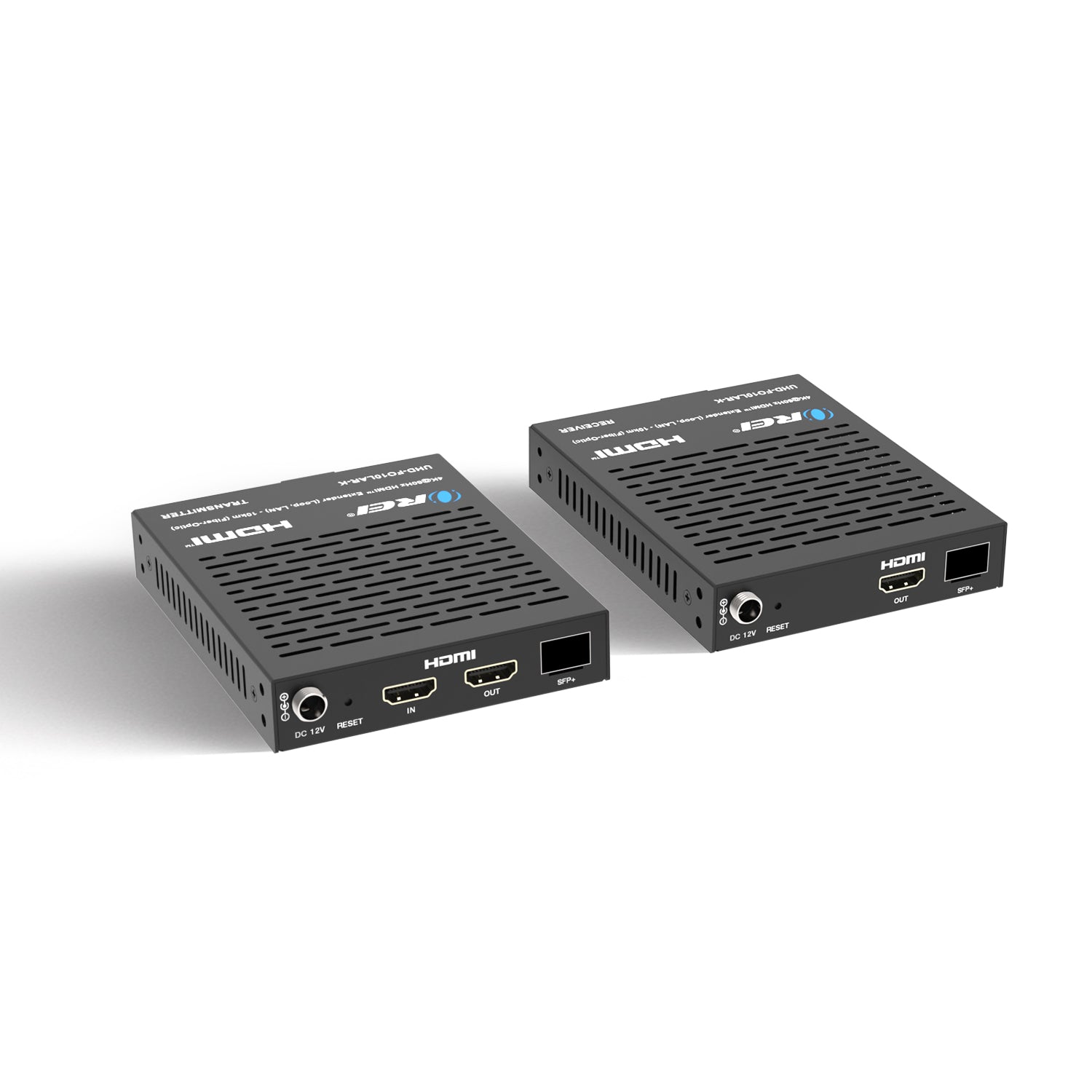
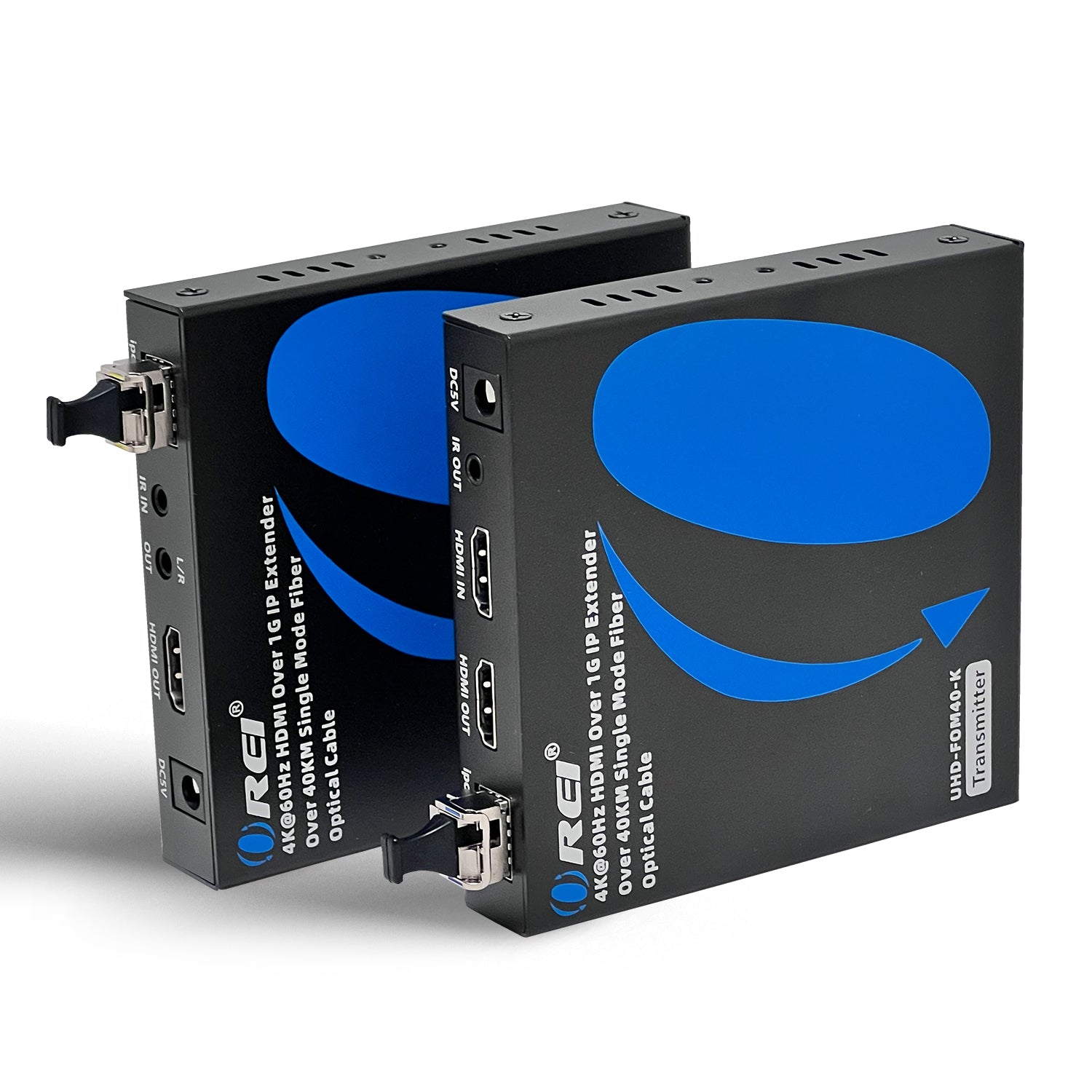
Sports broadcasts, digital signage, presentations, and announcements often need to reach multiple displays at once. As distances increase, running individual HDMI cables to every screen becomes less practical. OREI HDMI extender splitters and AV over IP solutions help businesses distribute content across multiple displays while supporting different installation sizes and future growth requirements.

AV-over-IP vs HDMI Matrix: Which Is Better for Growing Businesses?
AV systems rarely stay the same size forever. A company can add meeting rooms, digital signage, or another office floor. What worked for a handful of displays can become difficult to manage as requirements grow.
That is usually when the conversation turns to two common options: an HDMI matrix switch and an AV over IP system. Both distribute content to multiple displays, but they approach growth very differently.

How to Record Gameplay/Content Using an OREI Capture Card
Gameplay recording has changed a lot. What used to be casual clips and quick uploads has turned into full streaming and content setups for a lot of creators.
That’s usually where software capture starts struggling. Frame drops, lag, and inconsistent recordings become pretty common once games and streaming software are running together.
A dedicated HDMI video capture card helps take some of that load off your system. OREI’s VC-1080 is built for stable everyday capture, while the VC-8KTUSB3 is designed more for higher-end production workflows.

How Schools Can Distribute Video Across Campus Using AV-over-IP
Walk into most schools today and you’ll see screens everywhere. Classrooms, lecture halls, hallways, even common areas. Video has become part of how schools communicate and teach.
The problem is that a lot of systems weren’t built for that scale. Traditional setups struggle once you try to connect multiple buildings or share content across campus. Wiring gets messy, upgrades get expensive, and switching between sources isn’t always straightforward.

1080p vs 4K vs 8K Capture Cards: Frame Rates, Bitrate, and Compression Differences
Streaming gear has evolved fast. What used to cost a fortune is now something you can run from a bedroom. Because of that, everyone obsesses over resolution. After all, 4K does sound better than 1080p, and 8K sounds even crazier.
But the second you actually start using a capture card for live streaming, you realize pixels aren't everything. A sharp image is useless if the motion is choppy or if compression turns your gameplay into a blurry mess.
What actually matters are three things: frame rate, bitrate, and compression. Depending on what you’re trying to do, these can matter more than resolution itself.

How Restaurants Can Control Multiple TVs from One Source
Walk into any modern restaurant and screens are part of the experience. Sports bars rely on live games to draw crowds. Casual dining spots use TVs for entertainment or promotions. Even lounges and upscale venues use displays for ambiance or digital menus.
Managing all those screens is where it gets tricky. You need the right content on the right TV at exactly the right time, but juggling different sources during a rush is a recipe for a mess. A solid sports bar TV setup fixes this by centralizing the control. Instead of fighting with separate devices, you can run multiple displays efficiently from a single, unified system.


